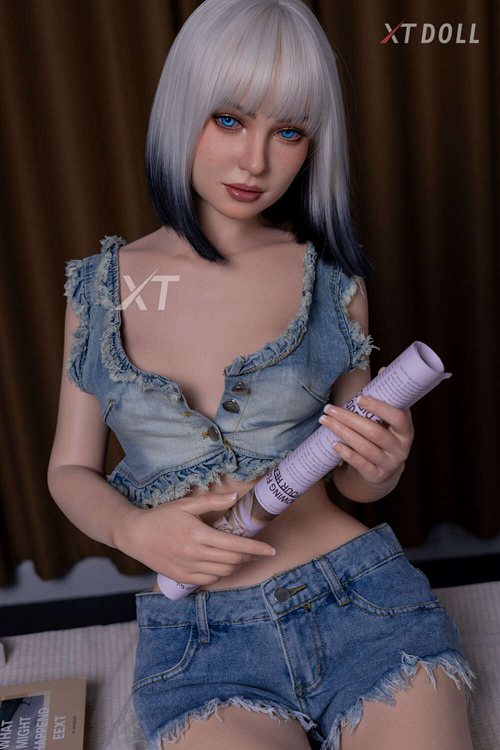
Thermoplastic elastomer (TPE) is widely used in modern sex doll manufacturing due to its soft elasticity, skin-like texture, and cost efficiency. However, these same material properties also make TPE more sensitive to environmental factors, moisture retention, and chemical exposure. Proper care is therefore not optional, but a technical requirement for maintaining structural stability and surface integrity.
Unlike rigid polymers or metals, TPE undergoes gradual physical change when exposed to heat, humidity, mechanical stress, or incompatible cleaning agents. Without correct maintenance, surface stickiness, odor development, and accelerated aging may occur. This article provides a technically grounded explanation of how to care for a TPE sex doll in order to maximize lifespan and preserve functional performance.
Understanding the Physical Properties of TPE
TPE is a polymer blend that combines rubber-like elasticity with thermoplastic processing characteristics. From a maintenance perspective, the most relevant property is its microporous structure.
These microscopic pores contribute to the realistic tactile sensation but also allow moisture, oils, and residues to migrate into the surface layer. Unlike silicone, TPE does not fully repel water or organic compounds, which is why improper drying or chemical exposure leads to faster degradation.
Understanding this material behavior is essential before defining any cleaning or storage procedure.
Why TPE Requires Specialized Care
A TPE sex doll reacts differently to stress compared to silicone-based alternatives. Key vulnerabilities include:
Moisture retention after cleaning
Sensitivity to alcohol and solvents
Surface deformation under prolonged pressure
Increased friction wear at joint areas
Without targeted care practices, these vulnerabilities can shorten usable lifespan significantly. Maintenance routines must therefore aim to control moisture, minimize chemical exposure, and reduce mechanical stress.
Cleaning Frequency and Maintenance Cycles
Cleaning frequency should align with actual usage rather than arbitrary schedules.
After each use, surface-level cleaning is required to remove lubricants, skin oils, and biological residue. Internal channels require equal attention due to limited airflow and higher moisture retention.
For periods of non-use exceeding several weeks, a full maintenance cycle should be completed before storage. This includes cleaning, extended drying, and surface conditioning.
Water Temperature and Its Impact on TPE
Water temperature directly affects polymer flexibility.
Cold water reduces cleaning effectiveness and may leave residues behind. Excessively hot water softens the TPE matrix, increasing the risk of surface deformation and long-term elasticity loss.
The recommended water temperature range is 30–40°C. This range ensures effective residue removal while preserving polymer stability.
Suitable Cleaning Agents for TPE Surfaces
Not all cleaners are compatible with TPE.
Recommended Options
Mild soap with neutral pH
Polymer-safe antibacterial cleansers
Specialized TPE cleaning solutions
These options clean effectively without disrupting polymer chains.
Substances to Avoid
Alcohol-based products
Bleach or chlorine compounds
Acetone or industrial solvents
Abrasive powders or sponges
Repeated exposure to incompatible agents causes micro-cracking, surface hardening, and discoloration.
External Surface Cleaning Procedure
Surface cleaning should prioritize low mechanical stress.
Soft microfiber cloths or non-abrasive sponges are preferred. Cleaning motions should be gentle and uniform. Excessive pressure may stretch or thin surface layers, especially around joints.
After cleaning, all detergent residue must be rinsed thoroughly, as residue buildup contributes to surface tackiness over time.
Internal Area Cleaning Considerations
Internal sections present a higher technical challenge.
Moderate water pressure should be used to flush residues without stressing internal structures. Excess pressure may damage internal liners or bonding areas.
Extended drying is critical after internal cleaning, as trapped moisture accelerates microbial growth and material breakdown.
The Critical Role of Drying
Drying is one of the most underestimated steps in TPE care.
Residual moisture within micropores creates ideal conditions for odor formation and bacterial activity. After towel drying with lint-free materials, the product should air dry in a ventilated environment.
Internal areas may require several hours to dry completely. Rushing this step significantly reduces long-term material stability.
Surface Conditioning After Drying
Once fully dry, surface conditioning helps restore tactile balance.
For TPE materials, applying a dedicated maintenance powder reduces surface adhesion and friction. This step also minimizes dust attraction and improves handling comfort.
Conditioning should be applied evenly and sparingly to avoid buildup.
Proper Storage Environment
Storage conditions have a direct influence on polymer aging.
A TPE sex doll should be stored in:
A dry environment
Stable room temperature
No direct sunlight exposure
Ultraviolet radiation degrades polymer chains, causing discoloration and brittleness over time. Humid storage environments increase the risk of odor and microbial development.
Avoiding Color Transfer and Surface Staining
TPE surfaces are susceptible to pigment absorption.
Contact with dark fabrics, dyed leather, or printed materials may cause permanent staining. Storage surfaces should be light-colored and non-dyed whenever possible.
This is especially important during long-term storage.
Managing Mechanical Stress and Positioning
Mechanical stress accumulates slowly but consistently.
Prolonged pressure on limbs or joints may cause compression deformation. When positioning or moving the product, weight should be evenly distributed and joints should not be forced beyond natural angles.
Suspended storage or neutral resting positions help preserve internal structural alignment.
Long-Term Inspection and Preventive Maintenance
Preventive inspection should be performed periodically.
High-friction areas such as hips, shoulders, and joint transitions are more susceptible to wear. Early identification of surface thinning or texture change allows corrective action before irreversible damage occurs.
Consistent inspection significantly extends overall service life.
Common Maintenance Errors
Most long-term damage results from repeated minor mistakes rather than single incidents.
Typical errors include insufficient drying, improper cleaning agents, compressed storage positions, and exposure to heat sources.
Avoiding these errors requires understanding material limitations rather than relying on general household cleaning habits.
Material Aging and Realistic Expectations
All polymer materials undergo natural aging.
Proper care does not eliminate aging but slows it considerably. With correct maintenance, a high-quality TPE sex doll can retain structural integrity and surface quality for many years of use.
Expectations should align with material science rather than short-term appearance alone.
Technical Conclusion
Caring for a TPE sex doll is a technically driven process rooted in polymer behavior, moisture management, and mechanical stress control. Each stage of maintenance, from cleaning to storage, directly affects material stability and usable lifespan.
By following structured care guidelines and respecting the physical limits of TPE, long-term durability and hygienic safety can be reliably maintained.