🧠 Introduction Understanding Hair Systems in Modern Sex Dolls
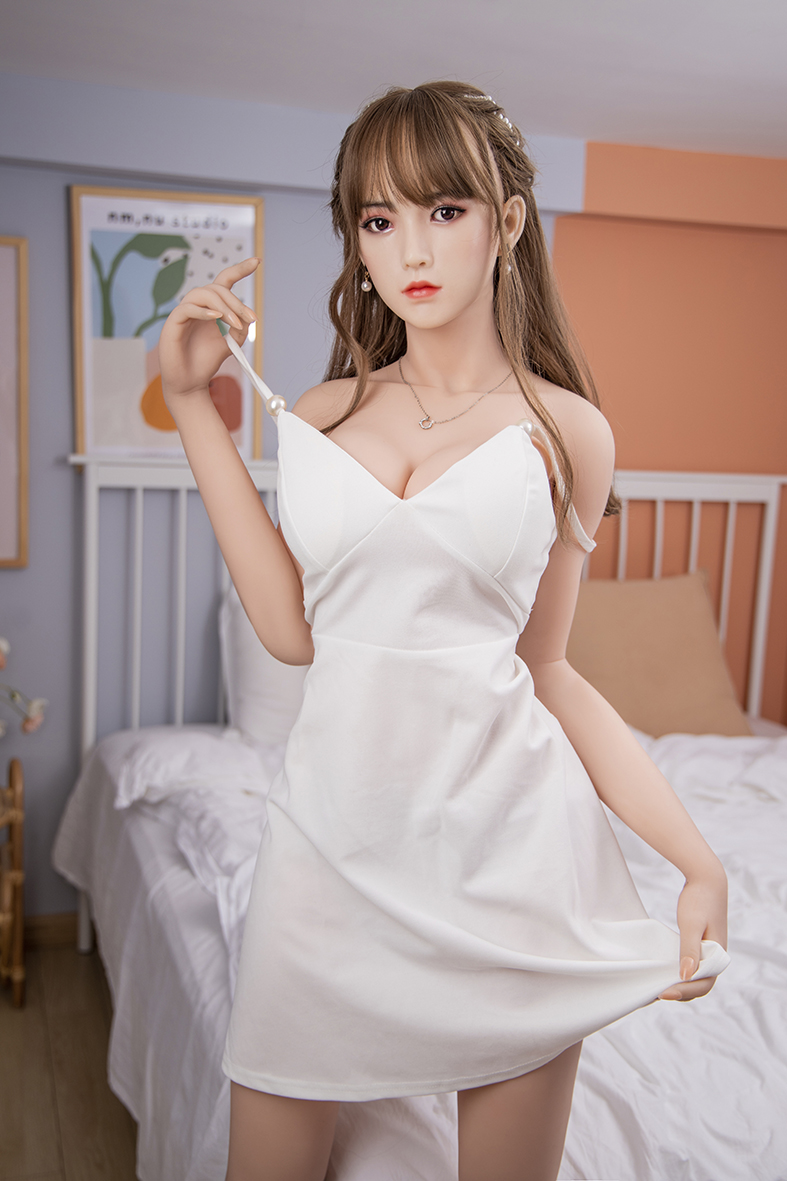
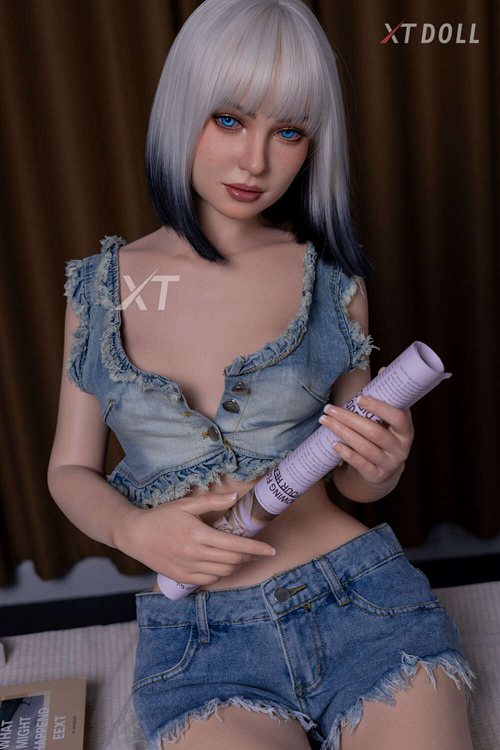
Hair design plays a critical role in the realism usability and long term satisfaction of a sex doll. While facial structure skin texture and body proportions often receive primary attention hairstyle technology significantly affects visual authenticity daily handling and maintenance effort.
Modern manufacturers typically offer two primary hair systems: removable wigs and implanted hair. Each solution is built on different engineering logic manufacturing complexity and user expectations. Choosing the correct system requires understanding not only appearance but also durability hygiene maintenance and interaction with other doll components.
This article provides a technical comparison of wig systems and implanted hair technologies focusing on construction methods material science realism performance and long term ownership considerations.
🧩 Overview of Sex Doll Hair System Categories
Before comparing specific technologies it is important to understand how hair systems are integrated into the doll structure.
Sex doll hair systems fall into two main categories:
External removable systems
Integrated permanent systems
Wigs represent a modular approach where hair exists independently from the head structure. Implanted hair involves embedding strands directly into the scalp material during or after head production.
Each approach reflects different design philosophies and use cases.
🎭 Wig Systems Structural Design and Engineering
🔹 Construction Method
A wig for a sex doll typically consists of a breathable mesh or elastic base combined with synthetic or natural fibers. The wig is shaped to fit the doll’s head circumference and attaches via friction silicone grip or discreet internal anchors.
Because wigs are produced independently they allow manufacturers to standardize head molds while offering wide hairstyle variations.
🔹 Hair Fiber Materials
Common wig fibers include:
Heat resistant synthetic fibers
High grade acrylic blends
Human hair in premium models
Synthetic fibers dominate the market due to cost control color stability and ease of maintenance.
🔹 Realism Performance
Visually high quality wigs can achieve excellent realism especially in controlled lighting and photography. However realism decreases under close inspection where density uniformity and scalp transition become noticeable.
Movement realism depends on fiber weight and cap fit. Poorly fitted wigs may shift during handling.
🔬 Implanted Hair Technology Structure and Process
🔹 Manufacturing Technique
Implanted hair involves inserting individual strands directly into the scalp material using micro needles or specialized injection tools. This process can occur before full silicone curing or as a post production step.
Each hair strand is anchored beneath the surface to simulate natural hair growth direction and density.
🔹 Material Integration
Implanted systems rely heavily on silicone compatibility. Strand thickness tensile strength and anchoring depth must align with scalp elasticity to avoid tearing or shedding.
Due to this complexity implanted hair is almost exclusively used on silicone head models.
🔹 Visual Authenticity
Implanted hair offers superior scalp realism particularly at the hairline and parting areas. Close range inspection reveals natural distribution irregularity which closely mimics human hair growth.
The visual advantage is most noticeable in photography and face focused interaction.
⚙️ Technical Comparison Wig vs Implanted Hair
🧪 Realism Accuracy
Implanted hair delivers higher realism at close range. Wig systems perform well visually but reveal limitations when exposed to touch or movement.
🧼 Maintenance Complexity
Wigs are removable allowing easy washing drying and replacement. Implanted hair requires careful in place cleaning controlled drying and routine detangling.
🛠 Durability
Wigs experience wear through friction and styling heat but are easily replaced. Implanted hair may suffer irreversible damage if pulled aggressively or improperly cleaned.
🔄 Customization Flexibility
Wigs allow rapid hairstyle changes without technical risk. Implanted hair limits styling flexibility due to fixed length density and scalp tension limits.
💧 Cleaning and Hygiene Considerations
Wig Cleaning
Wigs can be detached washed separately and air dried without exposing the doll head to moisture. This minimizes risk of internal water infiltration.
Implanted Hair Cleaning
Implanted hair cleaning requires surface washing while protecting the neck connection and internal structure. Improper drying may lead to odor buildup or material stress.
Hygiene conscious users often prefer wigs for ease and safety.
🧠 User Behavior and Practical Usage Scenarios
Solo Handling
Users who frequently reposition or store the doll may find wigs more forgiving. Implanted hair requires careful handling during movement.
Photography and Display
For static display and professional photography implanted hair provides superior realism and visual depth.
Long Term Ownership
Over years wigs can be replaced at low cost while implanted hair degradation may require head replacement.
💰 Cost Structure and Value Analysis
Initial Cost
Implanted hair increases production time and labor cost significantly. Wigs are economically efficient.
Replacement Cost
Wig replacement is minimal. Implanted hair repair is complex and often impractical.
Long Term Cost Efficiency
Wigs generally offer better lifetime cost control while implanted hair prioritizes visual quality over economy.
🔧 Compatibility With Doll Head Materials
TPE Heads
Wigs are strongly recommended. Implanted hair is not structurally stable with TPE due to material softness.
Silicone Heads
Both systems are possible. Implanted hair performs best when silicone density and elasticity are optimized.
🧠 Psychological and Aesthetic Preference Factors
Some users associate implanted hair with emotional realism and character identity. Others prefer wigs for creative freedom and reduced maintenance stress.
Neither choice is universally superior. Preference aligns with usage intent rather than absolute quality.
📊 Decision Matrix Choosing the Right Hair System
Choose a Wig If:
You value flexibility and easy maintenance
You prefer lower long term cost
You frequently change hairstyles
You prioritize hygiene safety
Choose Implanted Hair If:
You prioritize maximum facial realism
You focus on photography or display
You accept higher maintenance responsibility
You prefer a fixed character appearance
🔮 Future Trends in Sex Doll Hair Technology
Emerging innovations include hybrid systems combining implanted hairlines with removable crown wigs. Improved fiber anchoring and scalp reinforcement techniques are also under development.
Manufacturers continue to balance realism durability and user convenience as demand grows for customizable yet practical designs.
🏁 Conclusion
Hair system selection significantly affects the daily experience and long term satisfaction of owning a sex doll. Wig systems offer flexibility durability and ease of care while implanted hair provides unmatched realism at the cost of higher maintenance and limited customization.
Understanding the technical foundations behind each option allows buyers to make informed decisions aligned with their lifestyle usage patterns and aesthetic priorities.
A well chosen hair system transforms not only appearance but also ownership comfort ensuring that the sex doll remains both visually appealing and practically manageable over time.