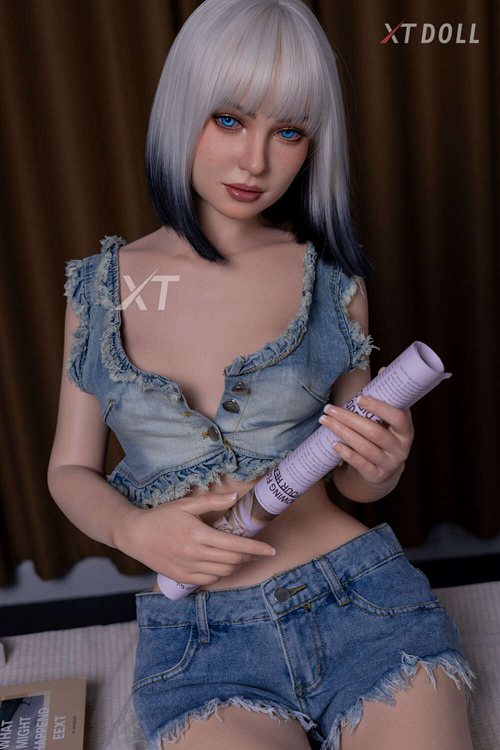
Material aging is one of the most important factors affecting the long-term usability and appearance of a sex doll. Even high-quality materials such as TPE and silicone will gradually degrade if exposed to unfavorable environmental conditions or improper handling. Understanding why material aging occurs and how to slow this process requires a basic grasp of polymer behavior, environmental stressors, and routine maintenance practices.
From a technical standpoint, material aging refers to the gradual loss of mechanical flexibility, surface texture, color stability, and structural integrity. This process is not sudden but cumulative, meaning that small daily habits can significantly influence the lifespan of a sex doll over time.
Understanding Material Aging Mechanisms
The primary materials used in modern sex dolls are thermoplastic elastomer and silicone rubber. Both are polymer-based materials, but their molecular structures respond differently to external stress.
TPE is composed of polymer chains that rely on physical bonding rather than chemical crosslinking. This makes the material soft and flexible but also more sensitive to heat, pressure, oils, and environmental exposure. Over time, these factors can cause hardening, surface oil migration, or loss of elasticity.
Silicone, on the other hand, is chemically crosslinked and more resistant to temperature and oxidation. However, silicone is not immune to aging. Prolonged exposure to ultraviolet light, chemical cleaners, or mechanical stress can still result in surface dulling or micro-cracking.
Understanding these mechanisms is essential when developing effective prevention strategies.
Environmental Factors That Accelerate Aging
Temperature is one of the most critical contributors to material degradation. High temperatures accelerate molecular movement within polymers, increasing the rate of oxidation and plasticizer migration. Long-term exposure to heat can cause TPE to become sticky or brittle, while silicone may lose surface smoothness.
Humidity also plays a role, especially when combined with warmth. Moist environments encourage microbial growth on the surface, which can weaken protective coatings and compromise hygiene. Excess moisture trapped in joints or cavities can further accelerate degradation.
Ultraviolet radiation is another major aging factor. Direct sunlight breaks down polymer chains through photodegradation. Even indirect exposure over time can lead to discoloration and loss of surface integrity. This is why long-term placement near windows is strongly discouraged.
Air quality should not be overlooked. Ozone, smoke, and airborne chemicals can react with polymer surfaces, particularly TPE, leading to premature aging.
Proper Storage to Extend Material Lifespan
Correct storage is one of the most effective ways to prevent material aging in a sex doll. Ideally, the doll should be stored in a cool, dry, and dark environment with stable temperature conditions.
Avoid placing the doll in positions that create long-term pressure on joints or soft areas. Continuous compression can deform internal structures and weaken material resilience. Hanging storage systems or full-body support platforms are often recommended to distribute weight evenly.
Direct contact with colored fabrics should be avoided. Many dyes can migrate into TPE and silicone, causing permanent staining that also affects surface chemistry. Using neutral, non-dyed storage covers helps reduce this risk.
Ventilation during storage is also important. Completely sealed environments can trap moisture and promote bacterial growth, while controlled airflow helps maintain surface stability.
Cleaning Practices and Their Impact on Aging
Cleaning methods directly influence how quickly materials age. Harsh soaps, alcohol-based cleaners, or solvents can strip protective surface layers and accelerate oxidation. Instead, mild antibacterial soap and lukewarm water are sufficient for routine cleaning.
Mechanical abrasion should be minimized. Scrubbing with rough sponges or towels can create micro-abrasions that weaken the surface and make it more susceptible to contamination. Gentle pat-drying is preferable to rubbing.
After cleaning, thorough drying is essential. Residual moisture can penetrate micro-pores and accelerate internal degradation. Some users employ cool air drying methods to ensure complete moisture removal.
Regular application of renewal powders or protective coatings can help restore surface smoothness and reduce friction-related wear, particularly for TPE materials.
Mechanical Stress and Handling Considerations
Repeated bending, twisting, or unnatural positioning places stress on joints and surrounding materials. Over time, this mechanical fatigue can lead to surface cracking or internal weakening.
Supporting the doll properly during use and movement reduces strain on stress points such as hips, shoulders, and knees. When repositioning, slow and controlled movements help preserve internal frameworks and outer materials alike.
Transportation is another overlooked factor. Improper packaging during travel can expose the doll to vibration, pressure, and temperature fluctuations that accelerate aging.
Chemical Exposure and Compatibility
Contact with oils, lubricants, perfumes, or cleaning chemicals can significantly affect material longevity. Only products explicitly labeled as compatible with TPE or silicone should be used.
Oil-based substances are particularly harmful to TPE, as they can dissolve plasticizers and cause irreversible surface damage. Silicone-safe water-based lubricants are generally recommended.
Long-term exposure to incompatible chemicals not only alters surface texture but also compromises internal material consistency, reducing overall durability.
Long-Term Maintenance Strategy
Preventing material aging is not a single action but a continuous process. Establishing a consistent maintenance routine helps identify early signs of degradation and allows corrective measures before damage becomes permanent.
Periodic inspections of high-stress areas, surface texture, and color consistency provide valuable insight into material health. Addressing minor issues early significantly extends the functional lifespan of a sex doll.
From a technical perspective, the combination of controlled environment, proper cleaning, careful handling, and compatible products forms the most effective defense against material aging.
Conclusion
Material aging in sex dolls is an inevitable process, but it can be significantly slowed through informed care and scientifically grounded practices. Understanding how polymer materials respond to environmental exposure, mechanical stress, and chemical interaction allows users to make better decisions throughout the product’s lifespan.
By implementing proper storage, gentle cleaning routines, controlled environmental conditions, and mindful handling, it is possible to preserve both the appearance and structural integrity of a sex doll for many years. From a technical standpoint, prevention is always more effective than repair, making material aging management an essential aspect of long-term ownership.