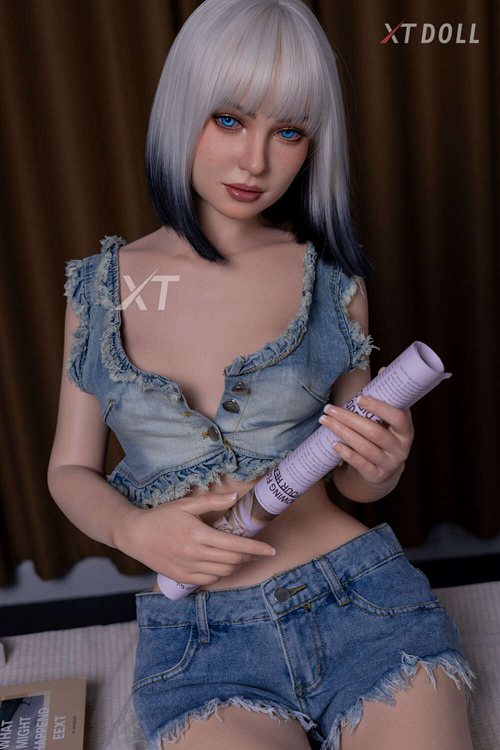
Material aging is one of the most common concerns for long-term owners of a sex doll. Whether made from silicone or TPE, all polymer-based materials are subject to gradual degradation over time. This process does not occur suddenly but is influenced by environmental exposure, mechanical stress, chemical reactions, and daily usage habits. Understanding these factors is essential for maintaining structural integrity, surface texture, and overall durability.
This article provides a technical and practical analysis of why material aging occurs and how it can be effectively minimized through proper care, storage, and handling. The goal is not to eliminate aging entirely, which is impossible for any polymer, but to significantly slow the process and extend the functional lifespan of the product.
Understanding Material Aging Mechanisms
Material aging in a sex doll primarily occurs due to physical, chemical, and environmental stressors. Silicone and TPE are both synthetic elastomers, but they respond differently to heat, oxygen, oils, and ultraviolet exposure. Over time, polymer chains may break down or lose elasticity, leading to surface hardening, micro-cracks, discoloration, or deformation.
Oxidation is one of the most common aging mechanisms. When materials are exposed to air for extended periods, oxygen can react with the polymer structure, especially under elevated temperatures. Another factor is plasticizer migration, particularly in TPE materials, where oils may slowly move to the surface, causing dryness or tackiness if not managed properly.
Mechanical stress also plays a role. Repeated bending, compression, or pressure applied to the same areas can accelerate fatigue within the material, especially at joints or thin sections. Aging is therefore not only a matter of time but also of usage patterns and environmental conditions.
Temperature and Environmental Control
Temperature has a direct impact on the stability of polymer materials. Prolonged exposure to high heat accelerates molecular movement, increasing the rate of oxidation and softening internal structures. Conversely, extremely low temperatures can make elastomers brittle, increasing the risk of cracking when pressure is applied.
An ideal storage environment for a sex doll is a stable, moderate-temperature space, typically between 15°C and 25°C. Rapid temperature fluctuations should be avoided, as repeated expansion and contraction place stress on the material. Heat sources such as radiators, heaters, or direct sunlight can cause localized degradation and must be kept at a safe distance.
Humidity control is equally important. Excessive moisture encourages surface degradation and can negatively affect internal metal skeleton components. A dry, well-ventilated environment reduces the risk of long-term material fatigue and internal corrosion.
Protection from Light and UV Exposure
Ultraviolet radiation is a known catalyst for polymer degradation. Even indirect sunlight can gradually weaken silicone and TPE over time by breaking molecular bonds. This effect is cumulative and often manifests as fading, discoloration, or loss of elasticity.
To minimize UV exposure, a sex doll should always be stored away from windows or artificial UV sources. When display or temporary placement in a lit area is unavoidable, protective covers made from breathable, non-dyed fabric can significantly reduce light exposure without trapping heat or moisture.
Avoid using transparent plastic covers, as they may magnify heat and restrict airflow. Proper light protection plays a critical role in preserving surface texture and maintaining long-term material consistency.
Cleaning Methods and Chemical Compatibility
Improper cleaning is one of the fastest ways to accelerate material aging. Many household cleaning products contain alcohols, solvents, or harsh detergents that can extract oils from TPE or damage silicone surfaces. These chemicals disrupt the material balance and lead to premature dryness or surface cracking.
Cleaning should always be performed using mild, neutral-pH soap and lukewarm water. Mechanical scrubbing should be gentle, avoiding abrasive sponges or brushes. After cleaning, thorough rinsing is essential to remove any residue that may continue reacting with the material.
Drying should be done naturally with clean towels and air circulation. Heat-based drying tools such as hair dryers should never be used, as they introduce localized thermal stress and uneven expansion.
Lubrication and Surface Conditioning
Lubrication is not only relevant during use but also plays a role in surface preservation. Materials like TPE are particularly sensitive to incompatible lubricants, especially oil-based products, which can alter surface chemistry and accelerate degradation.
Water-based lubricants are generally the safest option, as they are chemically stable and easy to remove during cleaning. After washing and drying, applying a light layer of appropriate surface powder or conditioning agent can help restore a smooth texture and reduce friction-related wear.
Over-application should be avoided. Excessive powder or conditioning products can clog surface pores and interfere with natural material flexibility. Balanced, minimal application is key to maintaining optimal surface condition.
Proper Storage and Weight Distribution
Storage position significantly affects long-term material health. Leaving a sex doll in the same position for extended periods can create pressure points, especially at joints, hips, shoulders, and contact areas with hard surfaces. Over time, this pressure can lead to deformation or internal stress fractures.
The best storage method is either horizontal placement on a soft, evenly distributed surface or vertical suspension using manufacturer-approved support systems. Hanging storage should ensure that weight is distributed through reinforced areas rather than soft material regions.
Storage containers should be breathable and free from dyes or chemicals that may transfer onto the surface. Vacuum-sealed or airtight storage is not recommended, as it traps moisture and accelerates oxidation.
Handling Habits and Mechanical Stress Reduction
Every interaction contributes incrementally to material aging. Rough handling, excessive bending beyond natural joint limits, or sudden forceful movements increase mechanical fatigue. Users should always move limbs gradually and support joints during repositioning.
Avoid placing excessive load on thin areas such as fingers, toes, or neck regions. Repeated stress in these areas can lead to internal tears that are difficult to repair. Conscious handling habits significantly reduce micro-damage accumulation over time.
Rotating resting positions periodically also helps distribute mechanical stress evenly across the structure, preventing localized wear patterns.
Long-Term Maintenance Strategy
Preventing material aging is not a single action but a continuous process. Establishing a consistent maintenance routine that includes regular inspection allows early detection of surface changes or texture irregularities. Addressing minor issues promptly prevents them from developing into irreversible damage.
A long-term maintenance strategy should include controlled storage conditions, compatible cleaning and lubrication products, careful handling, and periodic repositioning. With these measures in place, material degradation can be slowed substantially, preserving both appearance and structural integrity.
Conclusion
Material aging in a sex doll is a natural process influenced by environmental exposure, chemical interaction, and mechanical stress. While it cannot be completely eliminated, it can be effectively managed through informed care practices and proper maintenance routines.
By controlling temperature, limiting UV exposure, using compatible cleaning agents, adopting correct storage methods, and handling the product responsibly, owners can significantly extend the usable lifespan of their investment. A technical understanding of material behavior combined with disciplined daily habits is the most reliable approach to preventing premature aging and ensuring long-term durability.